
In short
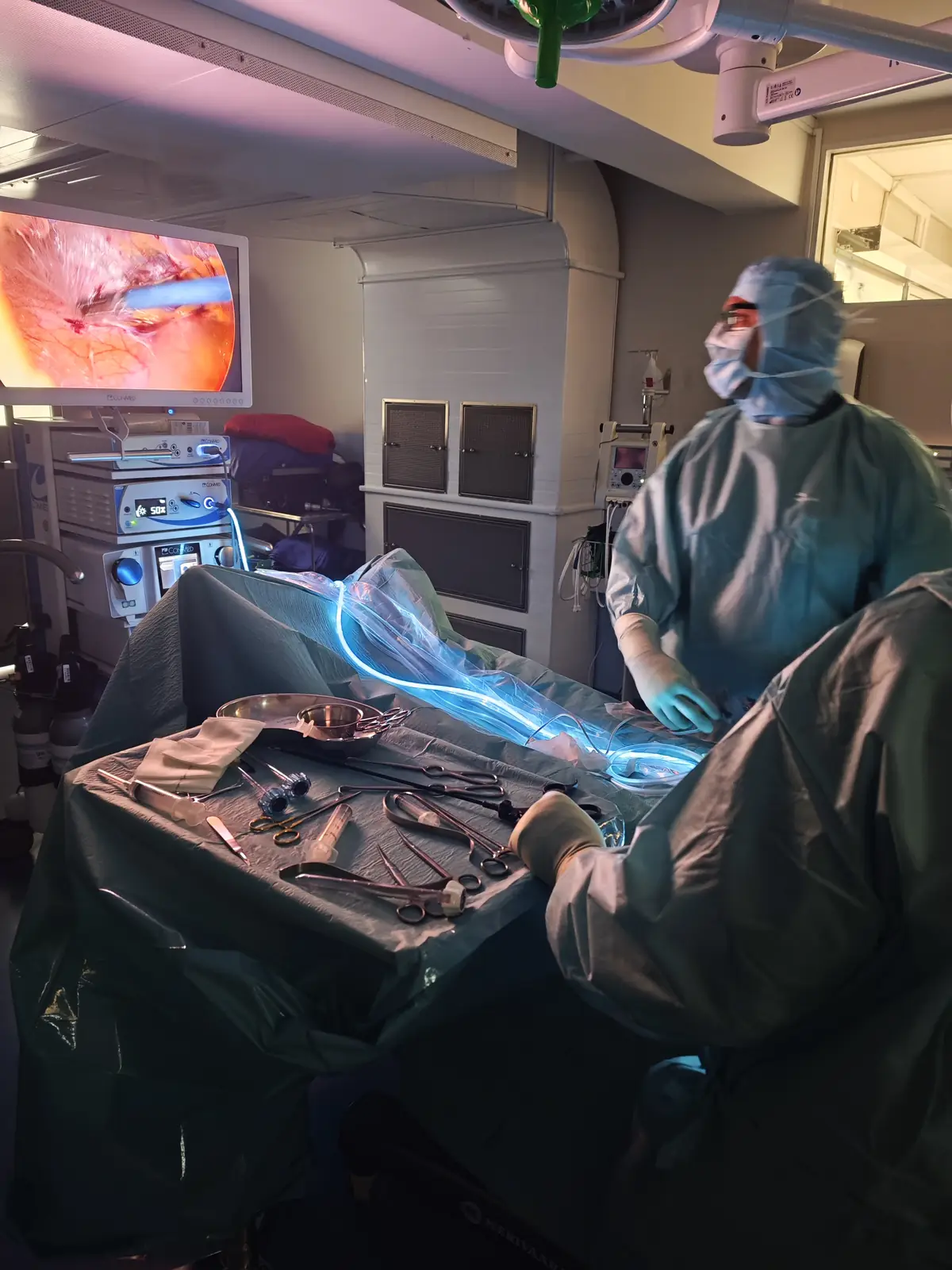
Gallstones form in the gallbladder and often cause no symptoms. When a stone temporarily blocks the flow of bile, it can cause severe upper abdominal pain, sometimes radiating to the back or right shoulder blade. Recurrent symptoms may be treated by removing the gallbladder.
Seek emergency care for persistent severe pain, fever, yellowing of the skin or eyes, repeated vomiting or marked deterioration in your general condition.
What happens at the examination
We review the pattern of your attacks, ultrasound findings, blood tests and any previous complications. Other causes of abdominal pain may need to be excluded before surgery is planned.
- Review of symptoms and medical history
- Assessment of imaging and tests
- Decision on surgery
- Further investigation when needed
Treatment options
The most suitable treatment is decided after an individual medical assessment.
After treatment
After uncomplicated laparoscopic surgery, most patients go home the same day or the following day. You receive individual advice on pain relief, wound care, diet and a gradual return to activity.
Frequently asked questions
Do gallstones always require surgery?
No. Gallstones without symptoms usually need no treatment. Surgery is mainly considered for typical, recurrent or complicated symptoms.
Are only the stones removed?
Planned surgery normally removes the entire gallbladder because new stones could otherwise form.
Is keyhole surgery used?
Yes, in most planned cases. The method may occasionally need to be modified or converted to open surgery.
Medically reviewed by Dr Elias Tsiolis, specialist in general surgery, senior consultantUpdated 2026-10-25This text does not replace an individual assessment.