
In short
Haemorrhoids are enlarged vascular cushions in the anal canal. They can be internal or external and cause bleeding, prolapse, hygiene problems or irritation. Similar symptoms can have other causes, so an examination is needed before treatment.
Seek emergency care for heavy bleeding, faintness, fever or rapidly increasing pain. New or unexplained rectal bleeding should always be medically assessed.
Gentle laser surgery
Laser treatment with the Leonardo laser
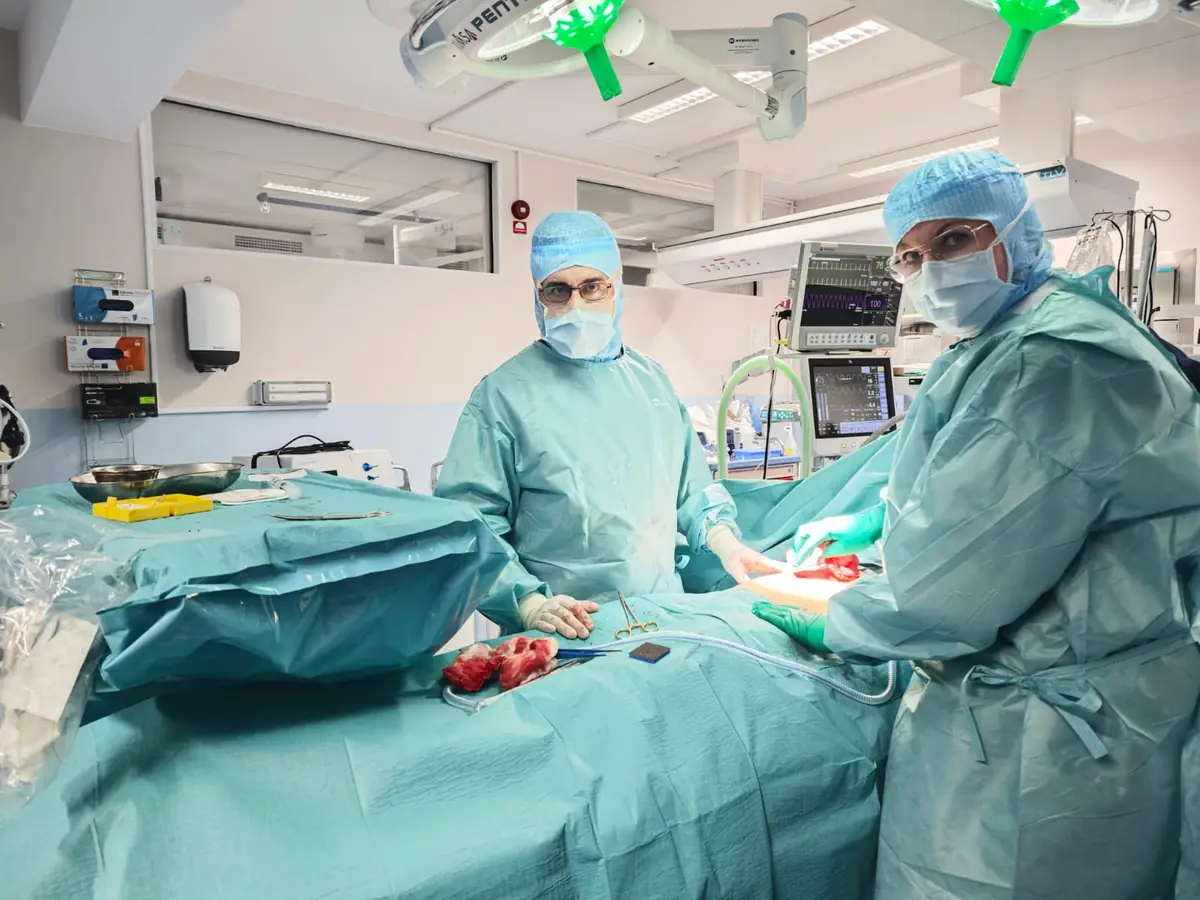
We treat haemorrhoids (LHP), anal fistulas (FiLaC) and pilonidal cysts (SiLaC) with a diode laser. The laser works from the inside through a thin fibre, with small wounds and usually a faster recovery.
What happens at the examination
The visit includes a discussion, external inspection and, when needed, palpation, proctoscopy and/or rectoscopy. We assess the grade of the haemorrhoids and whether other causes require investigation.
- Discreet symptom review
- Proctoscopy and/or rectoscopy when indicated
- Assessment of haemorrhoid grade
- Individual treatment plan
Treatment options
The most suitable treatment is decided after an individual medical assessment.
After treatment
Pressure, minor bleeding and discomfort may occur after outpatient treatment. After surgery you receive specific advice on pain relief, hygiene and bowel movements.
Frequently asked questions
Is all rectal bleeding caused by haemorrhoids?
No. Bleeding can have other causes and should be assessed before assuming haemorrhoids.
What is the difference between internal and external haemorrhoids?
Internal haemorrhoids sit higher in the anal canal and often cause bleeding or prolapse without marked pain. External changes sit at the anal opening and may become tender or swollen.
Can haemorrhoids settle without treatment?
Mild symptoms may improve when stools are kept soft and straining is avoided. Persistent bleeding, prolapse or hygiene problems should be assessed.
Can treatment be performed at the first visit?
Rubber-band ligation may sometimes be performed after assessment when planned and medically appropriate.
Does rubber-band ligation hurt?
The band is placed on tissue with low pain sensitivity. Pressure or discomfort may occur. Severe or increasing pain after treatment requires assessment.
How long is recovery after surgery?
Pain and wound discomfort are common initially after surgical removal. Healing varies with the method and extent of surgery, and you receive individual advice.
Can haemorrhoids return?
Yes. Bowel habits and constipation influence the risk of recurrence.
Can haemorrhoids be treated during pregnancy?
Symptoms during pregnancy and after childbirth often improve over time. Treatment usually begins with stool regulation and symptom relief, with other options assessed individually.
Medically reviewed by Dr Elias Tsiolis, specialist in general surgery, senior consultantUpdated 2026-10-25This text does not replace an individual assessment.